Published by: Maine Clammer Association
- A Maine Clammer
 The Green Crab first appeared on the coast of New England in the mid-1800s. This crab, also known as the European Green Crab, got here aboard sailing ships. By 1870, these crabs were found all along the east coast, from the Chesapeake Bay to Cape Cod. The Green Crab was first detected in Maine in the 1950s. It is known as an invasive species. In fact, this is what makes them so dangerous. An “invasive” species is a species that is non-native to a specific location. “Invasive species, like green crabs, adversely affect the habitats and bioregions they invade because they often have no
natural predators so their population is not held in check. Invasive species can change habitats and alter ecosystem function and ecosystem services, destroy biodiversity, crowd out or eat native species, and cause
immeasurable economic damages to human activities.” (Maine Clammers Association website)
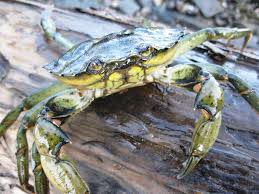 I was both amazed and troubled that a very small animal, such as the green crab, can change an entire ecosystem. I learned that not only does the green crab have no predators, but also that climate change may be part of the problem. The mild winters we have enjoyed in recent years have allowed the green crab to survive. I also learned that there is not a market for green crab as food. This article was very helpful because it included lots of information and it had a couple of videos. The information was organized into sections and it had information from the beginning to the present. It was very clear to me from the report that we need to work together to come up with other ways to manage the green crab. In conclusion, I believe we need to do something fast about invasive species and partially the Green Crab here in Maine
Reviewed by Ben
“Invasive species can change habitats and alter ecosystem function and ecosystem services, destroy biodiversity, crowd out or eat native species, and cause immeasurable economic damages to human activities.”
The Green Crab first appeared on the coast of New England in the mid-1800s. This crab, also known as the European Green Crab, got here aboard sailing ships. By 1870, these crabs were found all along the east coast, from the Chesapeake Bay to Cape Cod. The Green Crab was first detected in Maine in the 1950s. It is known as an invasive species. In fact, this is what makes them so dangerous. An “invasive” species is a species that is non-native to a specific location. “Invasive species, like green crabs, adversely affect the habitats and bioregions they invade because they often have no natural predators so their population is not held in check. Invasive species can change habitats and alter ecosystem function and ecosystem services, destroy biodiversity, crowd out or eat native species, and cause

immeasurable economic damages to human activities.” (Maine Clammers Association website)
These small creatures, found in both tide pools and salt marshes, are affecting the survival of many intertidal animals, especially the soft shell clam here in Maine. This is very concerning to me as a Maine resident, that the green crab is impacting our coastal ecosystem and our fishing industry. The information in this news story is extremely useful because it educates the public on the severity of the green crab problem in our state, and helps initiate a discussion on how to best suppress the green crab population. I believe people that live along the coast of Maine will be most impacted by this news. Perhaps by reaching a broad audience, more people will be moved to join the discussion on how to best manage the green crab invasion. I chose this article because it includes videos, pictures and lots of information. I believe there was a need for this research because the green crabs are destroying our ocean ecosystems and are predicted to soon move on to eating lobster. The green crab has no natural predators to control their population. Scientists, fisherman, and the public need to work together to find ways to manage this devastating creature. This news clip reaches a large audience and perhaps evokes more conversation.

Nice job. I can tell that you put a lot of work into this project and had a lot of information
ReplyDelete