Sustainable Aquaculture
The World Bank
February 5, 2014
URL LINK: http://www.worldbank.org/en/topic/environment/brief/sustainable-aquaculture
Sustainable aquaculture is possible, with the right science
The conversation
November 1, 2016
URL Link: http://theconversation.com/sustainable-aquaculture-is-possible-with-the-right-science-67912
Sustainable Aquaculture
The Ocean Foundation
URL Link: https://www.oceanfdn.org/resources/sustainable-aquaculture
"Sustainable aquaculture is a dynamic concept and the sustainability of an aquaculture system will vary with species, location, societal norms and the state of knowledge and technology."
What is it?
Sustainable aquaculture is a better type of fish farming. Traditional fish farming takes fish and
other marine species out of their natural habitat and put them into small enclosures with many
other fish as well as giving them bad nutrition. Sustainable aquaculture keeps the fish in their
natural habitats with large net-like enclosures with plenty of room to roam around. It also keeps
the natural food chain of their habitat. Sustainable aquaculture also provides more income for
their community and those who work there.

But to even be considered sustainable the fisheries have to be environmentally stable, meaning
that it does not create an impact on the wildlife around it. It, must have economic sustainability,
meaning that it a well-managed business that pays its workers well. It also needs to be socially
responsible, meaning that it contributes to its community.
In the past, there has been a real problem with the well being of the fish with many populations
declining in number. Such as Atlantic bluefin tuna, Atlantic salmon, and albacore tuna.

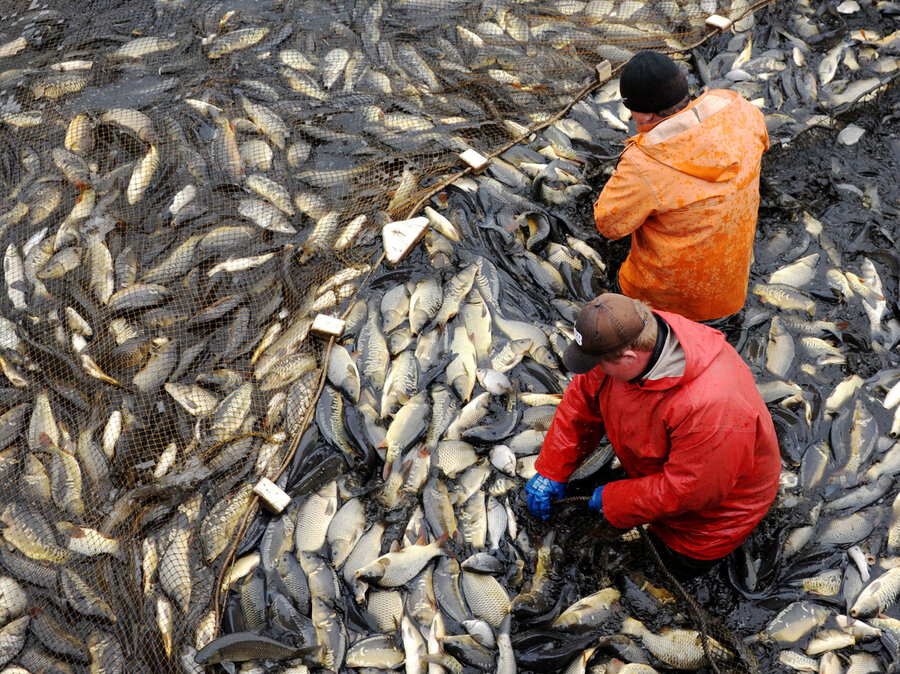
Sustainable aquaculture rose to popularity when in the 1980’s when more people started to
realize that the fish population was decreasing and has been brought back into the media lately
after a recently over the concern of some countries fish farming practices. But there is hope for
the fish in sustainable aquaculture. It supplies Canada with 13% of its marine industry income
and is most prevalent in Norway with it being one of its biggest sources of money for the country.
In the U.S. it is not as popular but is rising into the spotlight with an increase of income for the
industry by 50%.
My connection
About a year ago I went to Mexico and got a tour of a food production space that was supposed to be "sustainable" and claimed to "treat its animals with care" but we went through a part of a building where there were pens and pens of fish obviously being treated inhumanly. After this experience, I really felt bad for the fish so I started only eating ish from sustainable farms and I really just think that it is a really important part that humans have to play to help the fish. It will also benefit people, ensuring that we will always have fish to consume.
My Critique
I love sustainable Aquaculture. It makes more sense to but fish from fisheries that raise their fish humanely. The cost is only slightly more, the workers get paid better, and you know that the fish you are eating lived a happy, healthy life. It also ensures that these fish populations will not go extinct and we can continue to have them. And finally, It is better for your communities because it brings in more money for you and your neighbors. I also like it because I really like science and innovation. To me, this is an amazing solution to a problem that the world has.
